

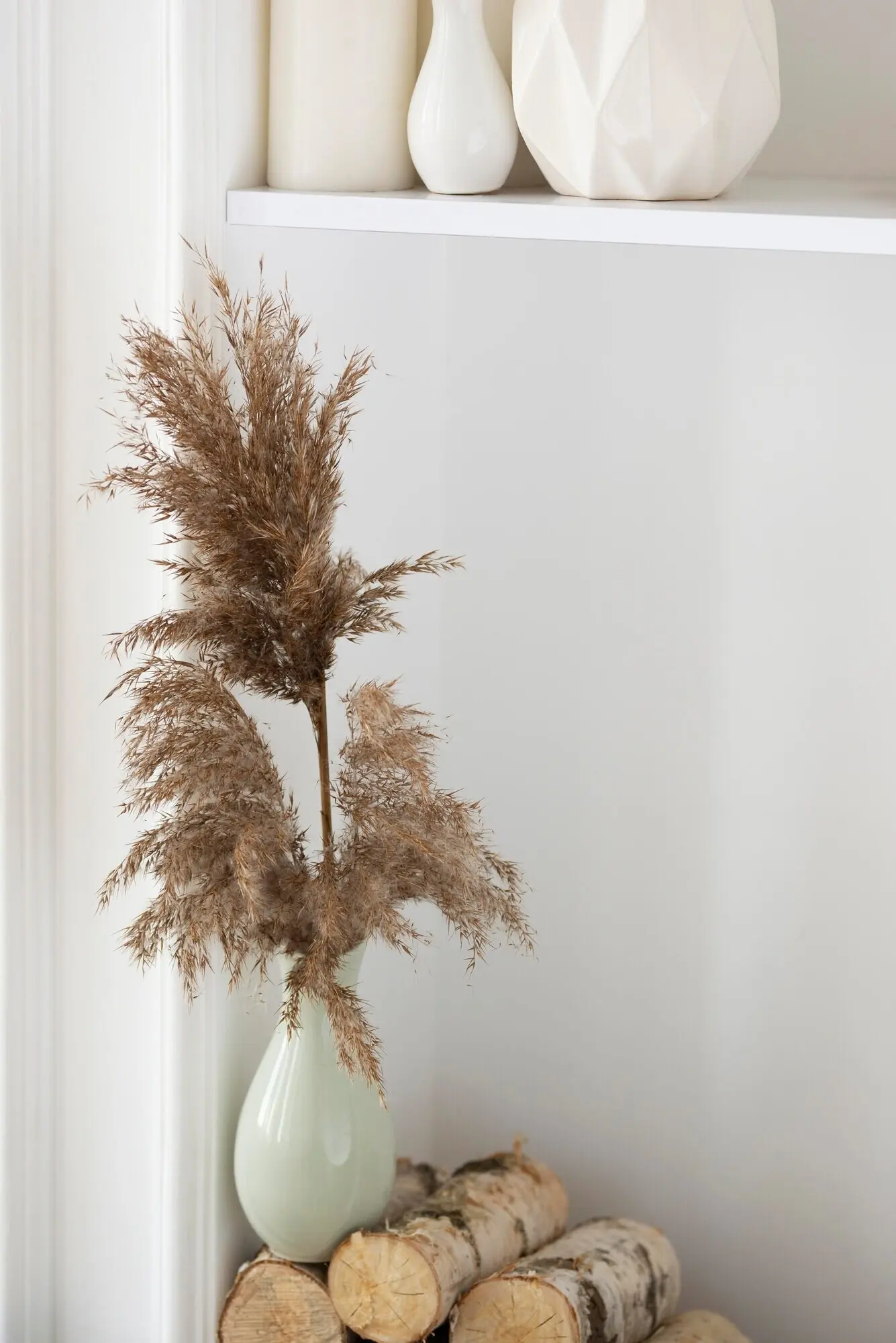
Quiet Luxury, Perfected: Acoustic Comfort for a Serene Home

Step into a soothing world where conversation sounds intimate, footsteps fade, and calm becomes a daily habit. Today we explore acoustic comfort solutions for a serene, upscale home, translating complex building science into beautiful, livable details that elevate privacy, focus, and restoration. Expect practical strategies, elegant materials, and discreet technologies shaped for refined living. Share your questions, favorite listening rituals, or challenges with echoes and street noise—we’ll tailor future guidance and examples to help your spaces sound as exquisite as they look.

Foundations of Peaceful Sound

Lasting tranquility begins with understanding how sound behaves inside elegant interiors. Reflections, resonance, and subtle vibrations either nurture comfort or invite fatigue. By pairing trustworthy metrics with thoughtful materials, you can create rooms that feel quiet without feeling dull, intimate without feeling small. We’ll reveal how absorption, diffusion, isolation, and careful detailing align to craft an environment where conversation is clear, music breathes naturally, and silence carries the unmistakable presence of quiet luxury. Tell us which rooms trouble you most—bedrooms, studies, or open kitchens.

How Sound Travels and Settles Indoors

Airborne noise slips through leaks, reflects off hard surfaces, and clusters in corners, while structure‑borne energy rides framing, plumbing, and ducts. Identify first‑reflection points, tame bass buildup, and close flanking gaps to restore intimacy and grace. Balance soft textiles with sympathetic finishes so the room remains lively yet composed. When dialogue sounds whisper-close and music blossoms evenly at low volume, you’ve orchestrated true serenity without resorting to sterile, overdamped silence.

Meaningful Metrics, Clear Targets

Let clarity replace guesswork by using STC for partitions, IIC for impact on floors, NRC for absorption, and RT60 for reverberation time. Bedrooms often thrive near NC‑25 with short RT60; living rooms can breathe slightly longer without sacrificing warmth. Align assemblies and furnishings to meet targets rather than chasing isolated materials. Track progress with repeatable measurements and adjust in layers, ensuring each improvement honors aesthetics, comfort, and the signature hush that distinguishes refined living.

Materials that Disappear into Design

Choose solutions that serve the ear and the eye: fabric-wrapped panels matched to drapery, slatted timber over mineral wool, micro‑perforated ceilings, plush rugs, and artful bookcases that double as diffusers. Hidden acoustic backers behind stone or veneer deliver mass without visual heaviness. Thoughtful seams, color, and proportion keep interventions invisible. When guests notice ease rather than equipment, you have integrated performance into the architecture, turning quiet into a tactile, aesthetic experience worth lingering over and sharing.


Architecture That Listens

Plan geometry, flow, and adjacencies to protect calm before finishes ever arrive. Buffer bedrooms from entertainment zones, add vestibules at busy entries, and separate noisy mechanical spaces. Where openness is prized, discreet zoning and layered thresholds keep sound from cascading across volumes. Consider sightlines and soundlines together; what the eyes connect, the ears often follow. We’ll outline details that block intrusion while honoring light, proportion, and the effortless elegance expected in sophisticated homes. Share your floor plan pain points for tailored advice.
Build quiet into the bones with double‑stud or staggered‑stud walls, resilient channels, dense boards, and viscoelastic compounds that convert vibration into heat. Seal perimeters and penetrations relentlessly; a single unsealed outlet can undo careful mass. Use back‑to‑back closets or galleries to buffer sensitive suites. Maintain continuous air‑tightness and decoupling where possible. These invisible strategies deliver dramatic reductions in transmission, letting refined finishes shine while privacy and poise remain unshakably present throughout daily life and special gatherings alike.
Select laminated acoustic glazing, generous air gaps, and well‑sealed frames to soften traffic and wind. Pair solid‑core doors with perimeter gaskets and drop seals, and avoid hollow cores near bedrooms or studies. When style requires minimal frames, demand precision on tolerances and hardware. Add layered drapery or interior shutters for flexible control without clutter. Thoughtful detailing here preserves prized views and daylight while rejecting disturbance, allowing interiors to feel open, luminous, and remarkably composed even on busy urban streets.
Impact noise telegraphs between levels unless assemblies anticipate it. Float floors with quality underlayments, isolate ceilings with clips and channels, and decouple plumbing and ductwork where practical. Mind flanking routes like shaft walls, joist bays, and continuous cavities behind cabinetry. Avoid back‑to‑back electrical boxes and seal every chase. Small gaps behave like megaphones. When structural layers cooperate to slow vibration, upstairs laughter becomes a soft suggestion, downstairs music remains contained, and the whole home breathes with effortless, confident quiet.

Mechanical Calm and Invisible Power

Comfort systems should be felt, not heard. Size ducts generously for lower velocities, specify quiet EC fans, and keep equipment remote from retreats. Line strategic runs, use smooth radius fittings, and avoid whistling registers. Target bedroom noise around NC‑25 to protect deep rest. We’ll explore vibration isolation for condensers and air handlers, as well as plumbing strategies that tame hammer and hiss. Share your HVAC and appliance frustrations—we’ll translate them into actionable design moves and service conversations that deliver hush.

01

HVAC Whisper Strategy

Create silence with big, slow air. Oversize ducts to reduce velocity, select variable‑speed fans, and position grilles away from pillows and listening seats. Use lined plenums sparingly yet wisely to avoid tonal coloration. Flexible connectors, balancing dampers, and careful return‑air placement prevent rushes and whistles. Commission airflow, seal joints, and confirm static pressures match design. When the climate feels perfect and your ears notice nothing at all, the system is finally serving luxury instead of stealing attention.

02

Vibration Isolation from Machines

Treat equipment like musical instruments that must not rattle the stage. Specify spring hangers, inertia bases, neoprene pads, and flexible connectors for pumps and air handlers. Keep piping from touching framing, add loops for expansion, and decouple cabinets housing ice makers or wine fridges. Exterior condensers deserve rigid pads and thoughtful placement. Each measure erases a tiny tremor; together they dissolve hums and buzzes until power feels invisible, letting architecture, art, and conversation occupy center stage without mechanical reminders.

03

Silencing Water and Appliances

Control water with pressure‑reducing valves, hammer arrestors, and well‑insulated runs. Select dishwashers and laundry units with verified low sound ratings, and cushion enclosures with mass and gaskets. Route chutes, grinders, and disposals away from quiet rooms, and isolate refrigeration lines from cabinetry. Soft‑close hardware and felt pads on buffet drawers stifle clatter during late dinners. The cumulative calm is unmistakable: late‑night cycles vanish into the background, while morning routines flow gently, never jolting the home awake before sunrise.

Intelligent Control and Adaptive Soundscapes

Technology can modulate quiet with subtlety, not spectacle. Use adaptive sound masking to protect privacy during calls, schedule acoustic scenes that coordinate shading, fan speeds, and music volume, and monitor noise trends to guide discreet upgrades. Smart windows respond to weather and traffic patterns, while motorized drapery glides silently at sunrise. Thoughtful integration keeps the space human, not gadget‑driven. Tell us which moments need extra calm—work calls, reading hour, or family dinners—and we’ll suggest graceful, automated responses.
Masking should feel like air quality for the ears—subtle, supportive, and nearly invisible. Calibrate gentle pink noise or natural textures just above conversational thresholds to erase intelligibility without announcing themselves. Shift levels with occupancy and time of day, and avoid intrusive loops. When implemented with restraint and good tuning, masking preserves privacy in studies and lounges while allowing the home’s inherent quiet to shine whenever conversation pauses and the warmth of stillness politely reclaims the room.
Create presets that choreograph sound with light and temperature: a Focus scene lowers fan velocity, closes sheers, and sets a delicate masking bed; an Entertain scene opens partitions, lifts music slightly, and softens reflections. Coordinate shades against street peaks and nudge HVAC to minimize register noise when voices rise. Subtle automation supports intent without stealing the moment. Share your favorite rituals, and we’ll help translate them into scenes that maintain the home’s signature hush through every transition.
Use calibrated microphones, reliable SPL meters, and simple RT60 tests to track progress room by room. Log conditions across weeks to reveal patterns from school runs to delivery windows. Tag spikes with notes, then adjust door seals, fabric density, or damper positions accordingly. Measurement ensures each change earns its keep and guards against over‑treatment. Invite family feedback too; perceptual comfort matters as much as charts. The result is iterative polish where the space grows quieter, clearer, and unmistakably yours.

Morning Reset

Begin with filtered daylight, lowered fan speeds, and drapery that cushions the kitchen’s early clinks. A short playlist of quiet instrumentals can smooth the transition from sleep without overloading the senses. Keep flooring underlays and chair felt pads in top condition so movement remains whisper‑soft. Ritual consistency sets the auditory tone for the day, making productivity feel natural rather than forced. Tell us your wake‑up schedule and we’ll propose simple tweaks that keep mornings remarkably serene.

Afternoon Focus

Guard concentration by trimming reflections around the desk, tightening door seals, and reducing airflow noise near task areas. Adaptive masking can float just above ambient traffic, preserving privacy during calls while keeping voices warm and intelligible. A diffusion panel disguised as art livens the room without adding glare. Schedule deliveries away from deep‑work windows. When your home supports focus this elegantly, you reclaim hours of undistracted attention and finish the day with energy left for joy and presence.

Verification, Commissioning, and Ongoing Care

Great quiet is designed, tested, and maintained. Document acoustic targets early, commission assemblies and systems, and capture before‑and‑after data that proves results. A gentle tune‑up six months in often unlocks the final five percent. Train your household on door closers, shade usage, and cleaning methods that preserve treatments. We welcome your questions and field recordings—send a clip, floor plan, or challenge. Together we’ll refine details until your home’s signature hush feels inevitable, robust, and wonderfully effortless.
Record baseline SPL and RT60 across representative hours, then repeat after each improvement. Photograph seals, grommets, and assemblies for quality control. When results lag, the evidence points directly to leaks or overlooked flanking. Confidence grows with every verified step, letting the team protect aesthetics while prioritizing performance. Keep a simple log; months later you’ll appreciate how many small decisions compounded into a distinctly calmer, richer domestic soundscape that anchors family life with grace and intention.
A dedicated walkthrough validates seals, confirms damper positions, and checks that fans operate at designed speeds without tonal hotspots. Listen at doors and corners where complexity gathers. Invite occupants to speak at normal volume while measuring privacy across thresholds. Adjust glides, stops, and pads where subtle clicks disrupt stillness. Commissioning aligns expectations and unlocks nuanced refinements that floor plans can’t predict, transforming careful drawings into a living, breathing environment that carries quiet like fine tailoring carries the body.
Quiet is an asset that deserves care. Re‑tension door seals, replace worn sweeps, refresh fabric absorbers, and vacuum perforations gently to keep performance high. Inspect vibration mounts seasonally and recalibrate masking after equipment changes. Teach contractors to protect decoupling and seal continuity during renovations. Schedule periodic measurements to guard against drift. With light stewardship, the home retains its poised hush through seasons and gatherings, ensuring every return from the world outside feels like stepping into a soft, embracing whisper.
Xuvoxarevuliforu
Privacy Overview

This website uses cookies so that we can provide you with the best user experience possible. Cookie information is stored in your browser and performs functions such as recognising you when you return to our website and helping our team to understand which sections of the website you find most interesting and useful.