Quiet Light, Elevated Spaces


Today we explore Minimalist Lighting Strategies That Elevate Without Flash, revealing how restrained choices, gentle layers, and purposeful shadows can transform rooms into calm, high-functioning sanctuaries. Expect practical guidance, human-centered insights, and inviting stories that show how small, thoughtful adjustments yield striking results without glare, clutter, or showiness. Share your challenges, ask questions, and bookmark ideas you can try tonight, from smarter bulbs to subtle fixtures. Let’s build confidence and comfort through light that whispers, yet meaningfully uplifts daily life.

Less, But Better

Start by removing excess fixtures and mismatched bulbs that fight one another. Then specify fewer, higher-quality sources with dimming, placing them deliberately where they serve tasks and atmosphere. Consistency in color temperature quietly unifies sightlines. Leave room for shadow, which gives depth and relief. This measured approach produces calm surfaces and kinder reflections, allowing materials and personal objects to stand out without visual noise or fatigue.

Let Shadow Shape the Story

Shadows are not mistakes to erase; they are the contours of feeling. By allowing soft gradients to fall across walls, you create rhythm and intimacy. Highlight fewer surfaces more carefully, and let the rest recede. Gentle contrast directs the eye, reducing the need for aggressive brightness. This storytelling power helps a room feel intentional, encouraging slower attention, deeper breathing, and a renewed sense of spatial clarity that supports both creativity and rest.

Color Temperature and Quality Matter

Choose warm-to-neutral color temperatures that complement materials and skin tones, and prioritize high color rendering for truer textures and art. Flicker-free drivers protect comfort during long evenings. Quality light reads like quiet honesty, revealing details without shouting. When sources share a consistent tone, spaces feel cohesive and considered. The result is an atmosphere that flatters daily routines, welcomes guests gracefully, and keeps surfaces appearing rich, balanced, and pleasantly dimensional.

Foundations of Subtle Illumination

Minimalism in lighting is not about deprivation; it is about clarity, comfort, and intention. Begin by understanding how the eye seeks contrast, softness, and direction. Replace brute brightness with layers that support activities and mood. Learn to edit competing light sources, unify color temperatures, and eliminate glare that tires the mind. Embrace the beauty of negative space, where shadow shapes form and texture breathes. This foundation nurtures rooms that feel more generous, guiding attention toward what matters and inviting longer, more restorative moments.

Harnessing Daylight Gracefully

Daylight is the most generous collaborator, yet it demands guidance. Orient seating and work zones to benefit from soft, indirect light rather than harsh exposure. Use sheer fabrics, louvers, and light shelves to sculpt rays and reduce glare. Reflective planes can amplify brightness without adding fixtures, while matte textures softly absorb excess. Consider seasonal angles, privacy, and views. When daylight becomes the leading voice, electric light recedes respectfully, saving energy and inviting a changing, living character into your routines.

Choosing Fixtures with Quiet Character

Select fixtures that serve architecture first, expression second. Aim for silhouettes that belong to the room, not to passing trends. Low-profile mounts, slender lines, and thoughtful optics help light read as part of the space rather than decoration. Favor honest materials with refined finishes that resist glare. When a piece must stand out, let it do so through proportion and placement, not excessive sparkle. Every decision should contribute to cohesion, comfort, and long-term calm.

Layering Without Clutter

Ambient That Breathes

Create a base layer that is soft, even, and dimmable, trusting other layers to handle detail. Wall washing or bouncing light off ceilings expands space without harshness. Keep levels lower than you think; your eyes adapt quickly. By refusing the urge to blast brightness, you grant room for accents to sparkle gently and for materials to feel richer. Ambience becomes a calm canvas that welcomes daily rituals gracefully.

Task Light with Respect

Place task sources near hands and eyes, not across the room. Consider beam control to prevent spill onto screens or bedsides. When task light is precise, overall brightness can drop, improving serenity. Adjustable arms and discrete dimmers empower users to personalize comfort. The space reads intentional and supportive, especially during reading, cooking, or crafting. Good task placement is a kindness, replacing fatigue with quiet, confident focus.

Accents that Guide, Not Shout

Aim soft spots at textured walls, artwork, or shelving vignettes to draw the eye calmly. Keep accent intensity gentle; think invitation, not announcement. Fewer, better targets create rhythm and meaning. Lines of sight become curated pathways, helping a small room feel composed and a large room feel navigable. The reward is atmosphere with personality, achieved without glitter or spectacle, just steady, thoughtful emphasis where it truly matters.

Materials, Finishes, and Color that Calm
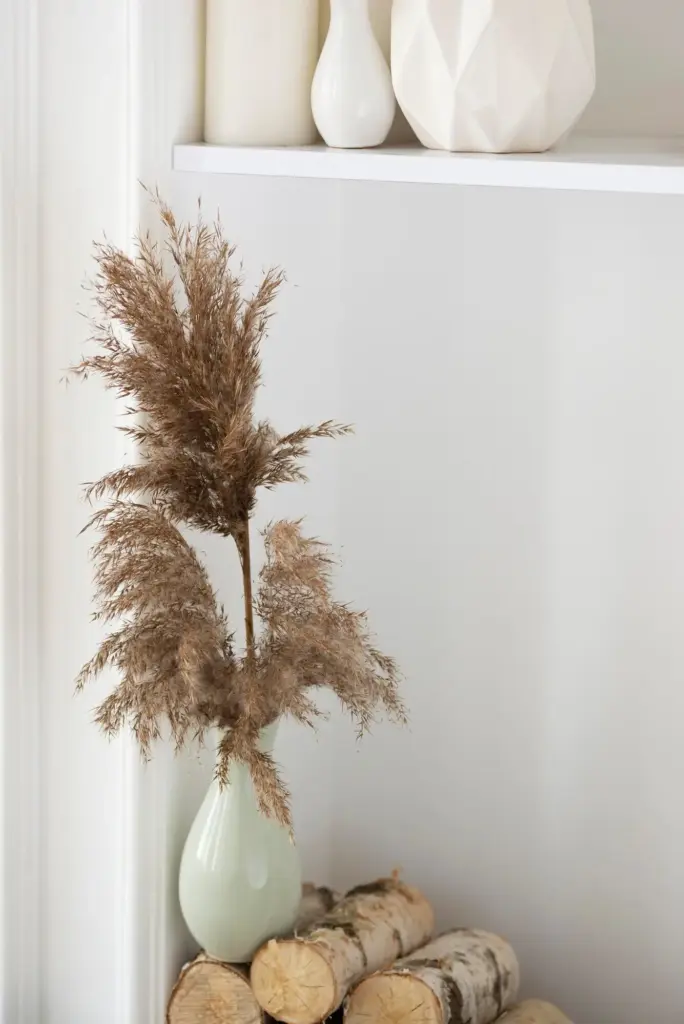
Light is only as good as what it touches. Matte paints reduce glare, satin sheens maintain cleanability, and textured surfaces reveal depth under grazing beams. Warm metals soften tone; cool metals can feel clinical unless balanced with wood or fabric. Neutral palettes carry light farther, while strategic darker elements add contrast and coziness. Think about how every finish receives and returns illumination, shaping mood, clarity, and a lasting sense of quiet luxury.

Controls, Rituals, and Everyday Grace

Technology should simplify, not complicate. Dimmers, scenes, and smart schedules allow light to follow your day: brighter for chores, softer for meals, warmest for wind-down. Motion or presence sensors can add convenience in halls and closets. Keep interfaces intuitive, avoiding cluttered switches. Consider sustainability through long-life sources and mindful usage. As you refine rituals, invite feedback from family or guests. Share your discoveries, ask for tips, and subscribe for deeper guides and case-inspired ideas.

Choreograph with Dimming

Dimming is the gentlest tool for transforming mood without adding fixtures. Lower levels reduce contrast fatigue, help screens feel comfortable, and flatter skin. Pair dimming with warm sources for evenings, reserving brighter, crisper scenes for tasks. Small adjustments before guests arrive or bedtime signal transitions beautifully. This choreography makes rooms feel responsive and welcoming, turning routine moments into small, restorative rituals that accumulate into a calmer life.

Scenes for Daily Rhythms

Create a handful of scenes that support breakfast, work, dinner, and rest. Keep them minimal so everyone remembers them. Program gradual fades to cushion the change, especially after dark. Consider a night route with low, amber cues that protect sleep. When scenes align with habits, lighting becomes a quiet partner, not a constant decision. You gain consistency, save energy, and protect attention for what truly deserves it.

Sustainable Comfort in Practice

Choose efficient sources with long lifespans and recycle retired lamps responsibly. Favor quality over quantity to reduce waste and clutter. Simple behaviors—opening sheers, dimming earlier, shutting off unused accents—compound into meaningful savings. Sharing your settings and experiments helps others find balance too. Minimalist lighting is not ascetic; it is generous in the right places, careful everywhere else, and committed to comfort that lasts without excess.

Xuvoxarevuliforu
Privacy Overview

This website uses cookies so that we can provide you with the best user experience possible. Cookie information is stored in your browser and performs functions such as recognising you when you return to our website and helping our team to understand which sections of the website you find most interesting and useful.