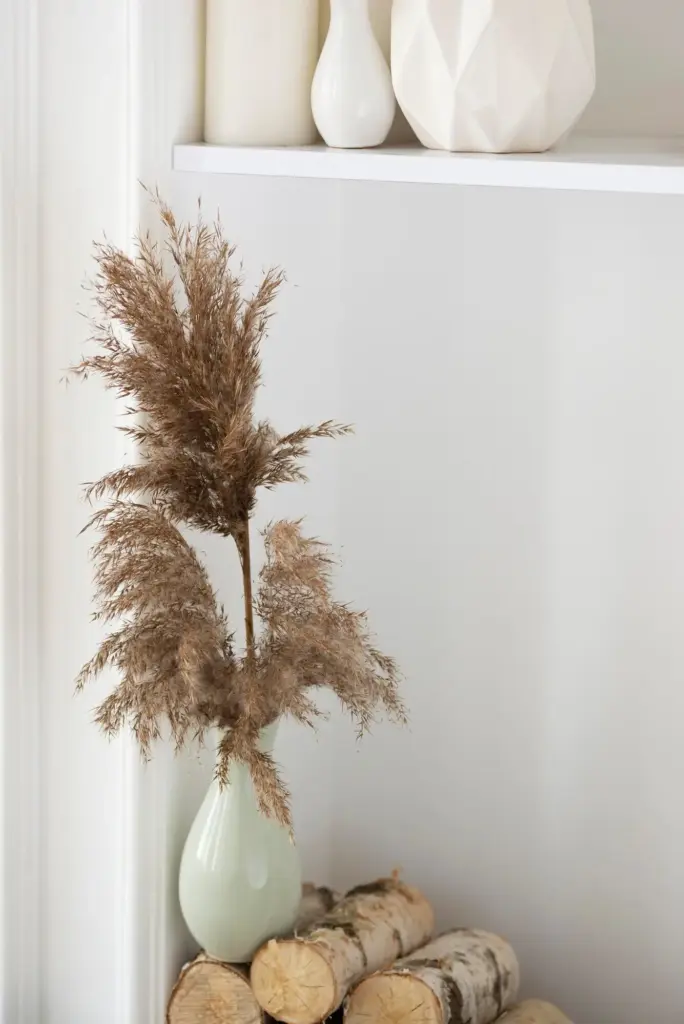
Quiet Intelligence for Homes of Grace


Step into a world where comfort, privacy, and elegance meet through Discreet Smart Home Technology for Refined Living, designed to melt into architecture while elevating daily rituals. Expect hushed automation, locally processed intelligence, and tactile simplicity that favors intuition over instruction manuals. We will explore devices that vanish from sight yet amplify serenity, from lighting scenes that follow circadian rhythms to secure networks that respect boundaries. Share your questions, subscribe for thoughtful guides, and join a community that values calm sophistication over blinking distractions and endless notifications.

Minimal Interfaces, Maximum Presence
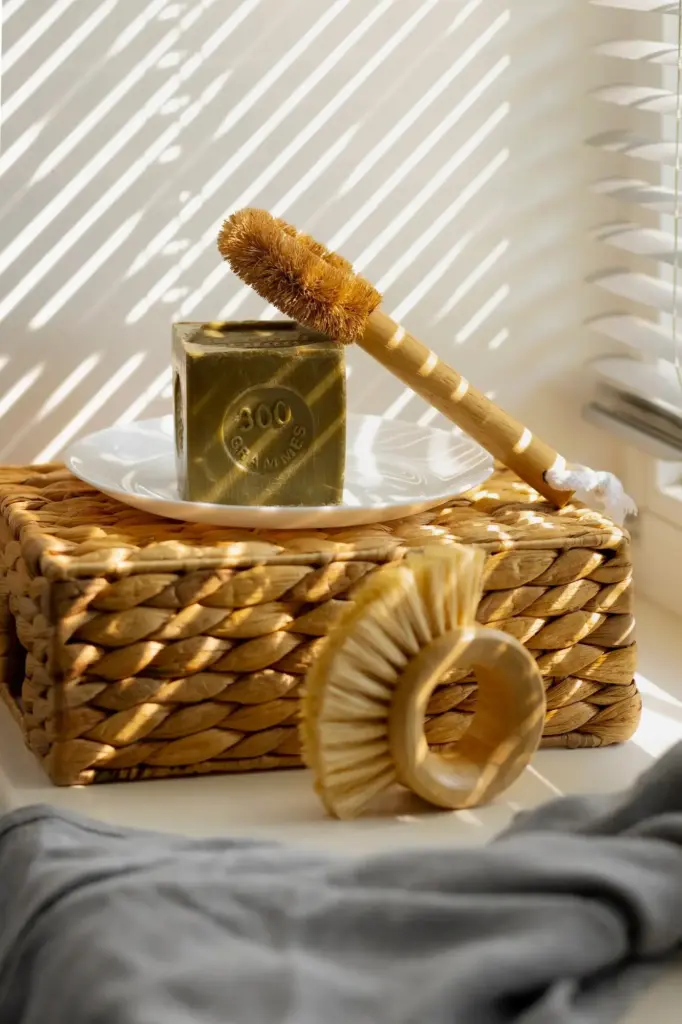
Replace command centers with simple cues: a warm knob for dimming, a barely-there button for night paths, and subtle haptics confirming actions. Presence sensors and time-of-day automations remove routine taps, while physical overrides preserve trust. By limiting on-wall elements to essentials, you reduce decision fatigue and visual noise. Your home feels attentive without performing, and every interaction respects the quiet beauty of considered restraint.

Materials That Disappear Into Architecture
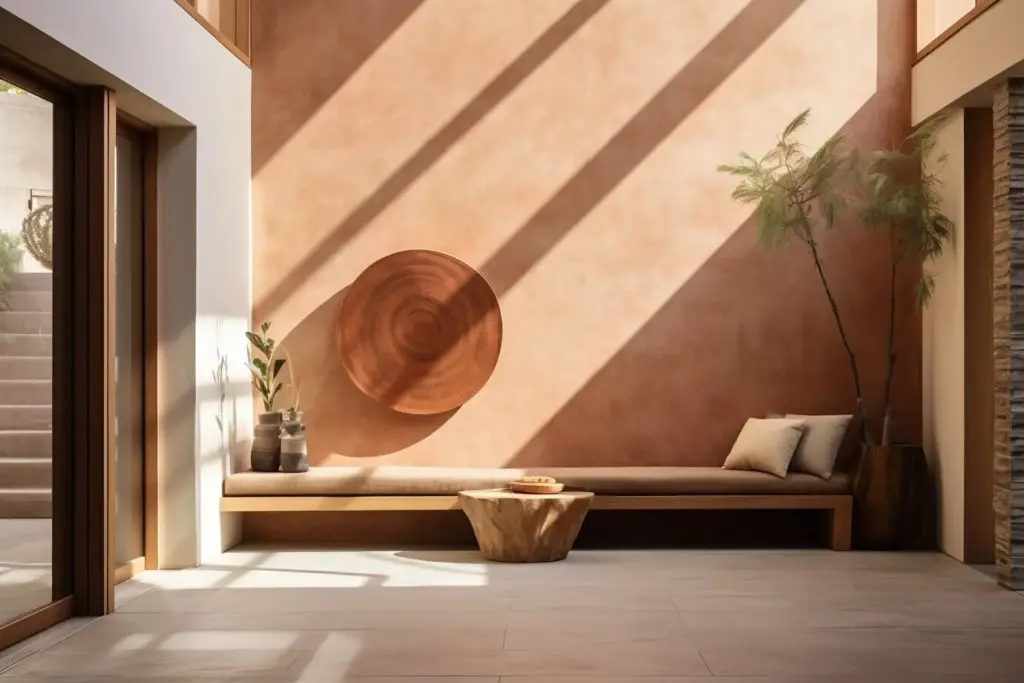
Match switch plates to stone, wood, or plaster, or use flush-mount fixtures that vanish until needed. Matte finishes reject glare; soft edges feel calm to the touch. Sound-absorbing fabrics hide speakers while improving acoustics. Homes that harmonize technology with surfaces feel settled and intentional. When materials blend, you keep sightlines clean, preserve architectural character, and allow light, art, and conversation to take center stage without competition.

Power and Wiring Hidden with Intention

Pre-plan conduits for sensors, ceiling fixtures, and discreet shades so retrofits don’t scar walls. Centralize noisy hubs in ventilated closets and use structured cabling to separate power from data. Conceal chargers in drawers to free counters. With thoughtful planning, maintenance remains easy, upgrades remain flexible, and every room retains its quiet dignity. Even complex systems become straightforward when distribution is organized, labeled, and designed for future change.

Privacy and Security Without the Drama

Calm living depends on trust. Local processing reduces exposure, and transparent controls prevent surprises. Instead of endless consent prompts, design clear, durable choices that respect boundaries and routines. Strong defaults, encrypted traffic, and carefully partitioned networks protect families and guests without visual intimidation. We will explore sensible approaches that balance convenience and discretion, ensuring that your home’s intelligence stays helpful without harvesting more than it needs or sharing more than you intend.

Comfort that Listens, Not Shouts

True comfort is perceived, not declared. Lighting, temperature, and sound should align with circadian rhythms, seasons, and human presence, responding just enough and no more. The most successful systems shift gently, anticipate needs, and fade into the background once complete. Calm feedback makes a home feel alive yet unintrusive, encouraging restorative routines and unbroken focus. We will outline subtle patterns that honor quiet mornings, lively evenings, and peaceful nights without demanding constant supervision.

Light That Understands Human Rhythms

Use tunable white fixtures to mirror daylight, warming in the evening and cooling at midday. Layer tasks and ambient washes so surfaces glow rather than glare. Calibrate motion sensors for pace and path, not just presence. Create dinner, reading, and wind-down scenes that adapt to seasons. With gentle fades and restrained brightness, rooms become invitations to linger. Photos feel truer, conversations feel kinder, and eyes relax into the softness of considered illumination.

Climate That Anticipates, Then Vanishes

Silent variable-speed HVAC, adaptive radiant floors, and smart vents maintain comfort without sudden gusts. Predictive schedules learn occupancy and weather, preheating or precooling before discomfort appears. Place temperature and humidity sensors where people actually dwell, not near ducts or windows. Combine CO2 monitoring with fresh air strategies to keep rooms clear-headed and lively. When climate control whispers, you notice only the steadiness of comfort, not the machinery achieving it.

Local-First Automations Beat Cloud Lag

Place core routines—lights, locks, shades—on a local controller to avoid internet dependency. Latency drops from seconds to milliseconds, and reliability soars during outages. Sync to cloud only for remote check-ins or backups. Audit rules periodically to remove redundancies and prevent loops. The outcome is a home that responds instantly, like a well-rehearsed gesture, where convenience emerges from immediacy rather than from complex, fragile server dependencies.

Matter, Thread, and the Calm Network

Thread’s low-power mesh keeps sensors efficient and connections resilient, while Matter simplifies onboarding and device longevity across ecosystems. Choose routers placed like good lighting: central, elevated, and away from interference. Fewer bridges reduce clutter and points of failure. A quiet network is not empty—it is tuned. With deliberate placement and minimal hops, your devices communicate clearly, updates arrive predictably, and the underlying fabric stays respectfully invisible.

Longevity Through Modularity

Select modular components—swappable keypads, replaceable drivers, serviceable power supplies—so updates are targeted, not tear-downs. Favor brands with published lifecycles, repair policies, and spare parts. Document wire runs and label panels for future you, not just today’s installer. Modularity transforms upgrades into calm afternoons, not chaotic renovations, keeping investment steady and aesthetic continuity intact. Your home evolves gracefully, absorbing innovation without abandoning the restraint that makes it feel timeless.

Real-Life Stories from Calm Homes

Examples reveal how small choices create outsized serenity. These vignettes come from real clients and careful prototypes, where material sensitivity and local control shaped effortless routines. You will hear how families reduced visual noise, improved sleep, and simplified maintenance, all without sacrificing style. Notice how each solution protects privacy and keeps the interface human. Let these stories inspire your path, and share your own to help others cultivate graceful, sustainable comfort.

A Small Apartment Finds Breathing Room

In a 45-square-meter city flat, a single multifunction keypad replaced a wall cluster of switches. Tunable lights mirrored daylight, while a compact, silent fan coil stabilized temperature. A concealed rail carried motorized shades behind linen drapery. With local automations, mornings became softly lit and evenings naturally warm. The owner reported fewer headaches and better focus, plus a rediscovered corner for reading that suddenly felt like a personal sanctuary.

A Busy Family Rediscovers Evenings

A townhouse with school-age children tamed chaos by assigning zones: homework, play, and wind-down. Presence sensors gently nudged transitions with lighting changes and softer audio. Guest profiles offered limited access to locks and media. Parents used a dashboard only on Sundays to review tweaks, otherwise trusting routines. Their dinner hour, once hectic, now unfolds under calm illumination and steady temperatures, with devices humbly supporting connection rather than commanding it.

A Gentle Roadmap to Begin

Start with intention, then expand with care. Identify the moments that deserve ease—waking, arriving, dining, unwinding—and support them with minimal, reliable layers. Plan discreetly, install cleanly, and document thoroughly so future adjustments stay simple. Invite feedback from everyone at home, because harmony is shared. Subscribe for detailed guides, ask questions in the comments, and refine at a humane pace. Refinement is not a sprint; it is a conversation between space and life.

Define What Calm Means to You

Write down three daily frustrations and three sensory joys. Map them to light, climate, and sound. Decide what belongs on a wall, what belongs in automation, and what should remain purely analog. Establish privacy rules before buying hardware. When values lead, purchases shrink, coherence grows, and your space expresses who you are—not what a catalog suggests. Personal clarity is the most powerful, discreet technology you can deploy first.

Start Small, Observe, Expand

Pilot one room with local routines and limited devices. Live with it for two weeks, taking notes on timing, brightness, and comfort. Remove any rule that surprises you more than twice. Add integrations only after the basics feel natural. This measured approach prevents fatigue and reveals what truly matters. Small, reversible steps build confidence, making your home feel both smarter and kinder with each gentle iteration.

Keep Tuning, Keep Listening

Schedule seasonal reviews to adjust scenes, sensors, and schedules as light and habits change. Replace notifications with weekly digests to reduce interruptions. Validate backups, rotate keys, and audit guest access. Above all, listen: to occupants, to silence, to the subtle signals of comfort. Refinement is stewardship, not spectacle, and your attention—applied sparingly—keeps every discreet layer aligned with grace, purpose, and the quiet pleasures of daily living.
Xuvoxarevuliforu
Privacy Overview

This website uses cookies so that we can provide you with the best user experience possible. Cookie information is stored in your browser and performs functions such as recognising you when you return to our website and helping our team to understand which sections of the website you find most interesting and useful.